
Taijiquan
Yin Yang Boxing as a form of Cultivation
Song & Ting
If two defining qualities sit at the heart of traditional Taijiquan, they are release (Song 鬆) as the Yin aspect and conscious absorption (Ting 聽) as the Yang counterpart.
When these two qualities arise together through proper study, the mobilisation of Jin (勁) can arise.
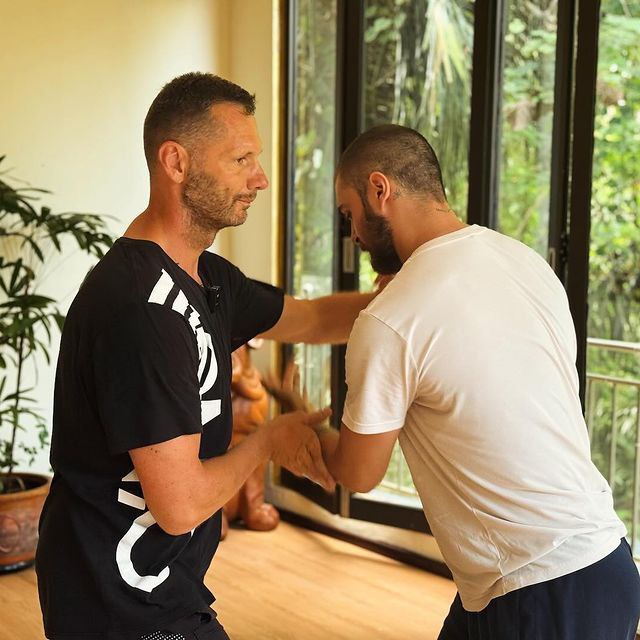
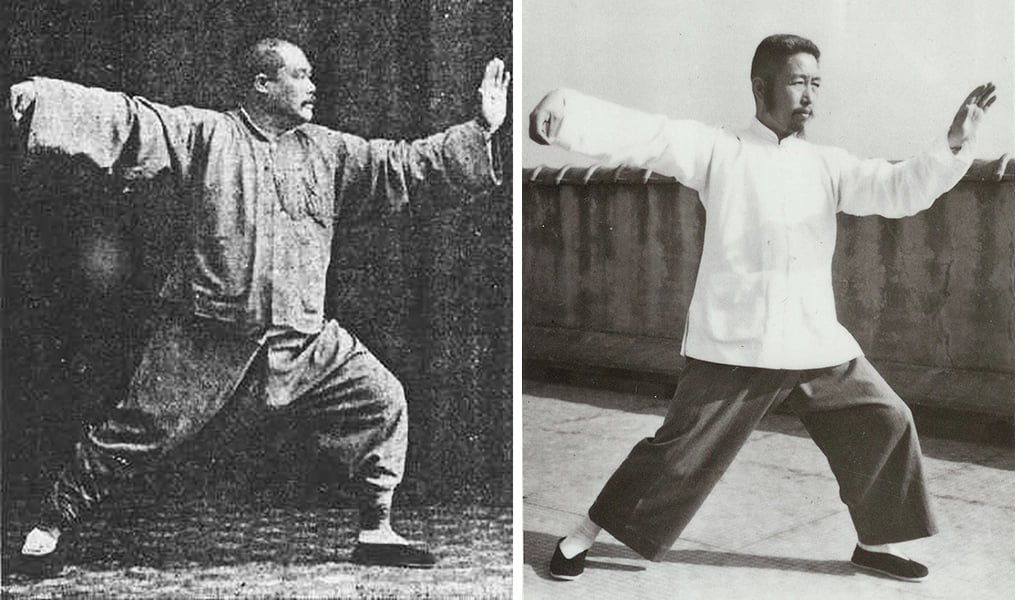
The System
Taijiquan is built around the study of thirty-seven primary postures. Each posture carries its own method for directing and mobilising of the Qi and Jin. These postures are primarily studied through the 37 Short Form as developed by Yang Cheng Fu, Cheng Man Ching, and his student Huang Sheng Shyan. Advanced students will study the 85 Long Form as passed down through the methods of Yang Shao Hou and Tian Zhaolin.
Embodied Awareness
Unlike seated meditation, Taijiquan integrates awareness into motion. It encourages stabilization of awareness within the body, conscious release of tension, and a deep connection between mind and the physical form.
Rooted in Daoist alchemical principles and Buddhist absorption techniques, it offers a holistic path to mental clarity.

Lineage & Tradition
Honoring the masters who preserved and transmitted these arts through generations.
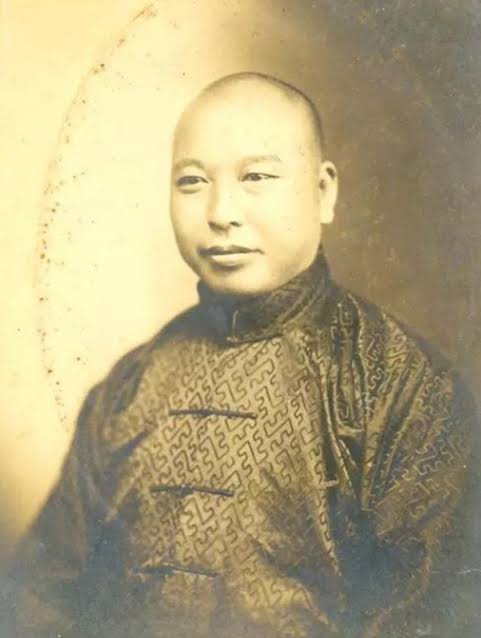
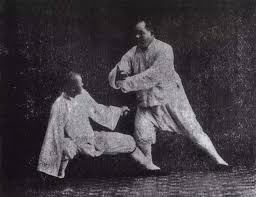
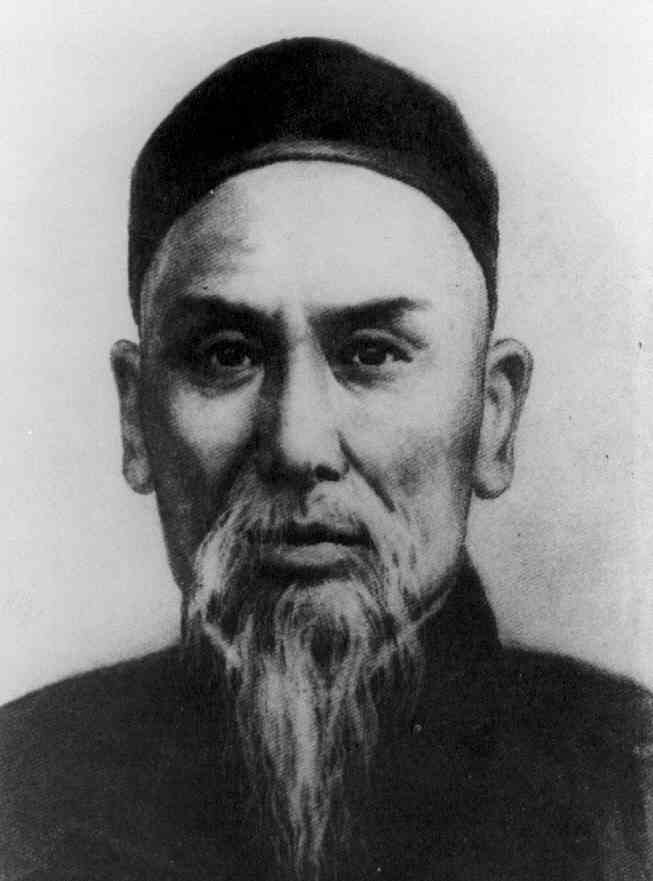
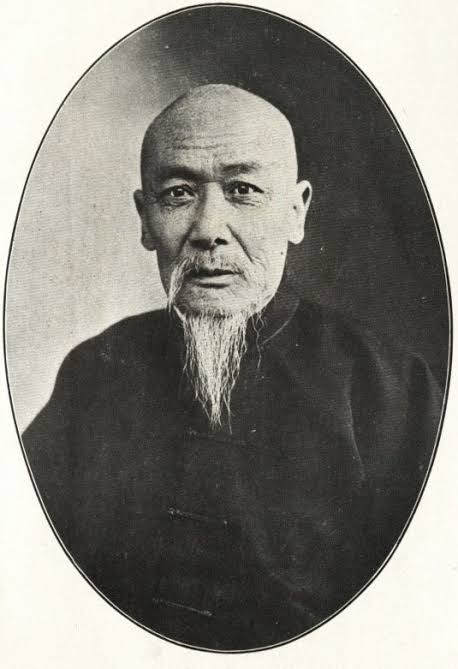
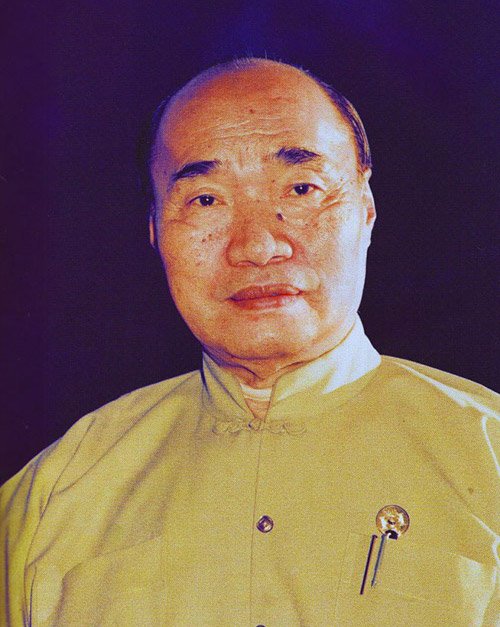
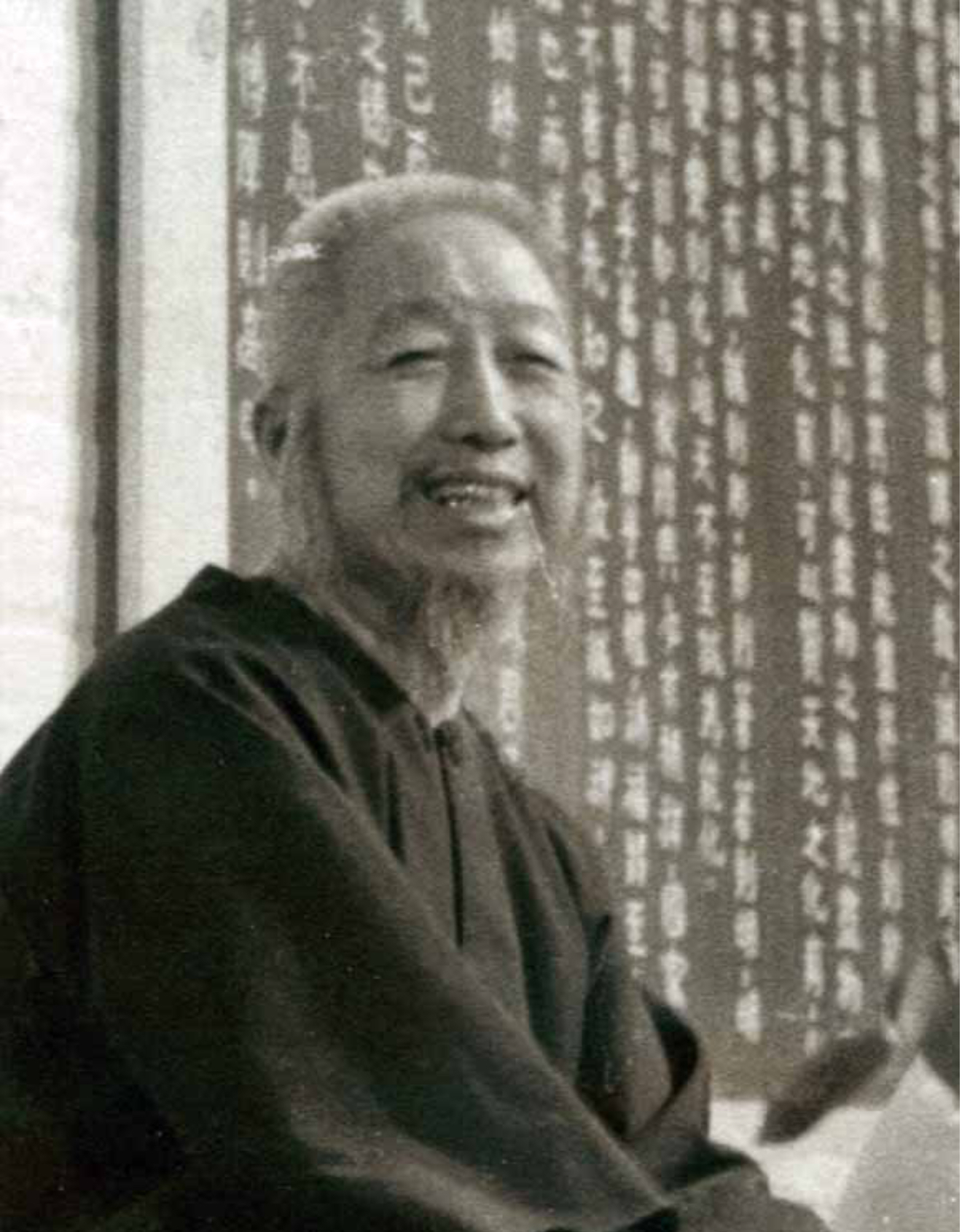
"The key to Taijiquan lies in the transformation of the body. Retraining it to operate under the mechanisms of Song, Ting, Yi and Qi."
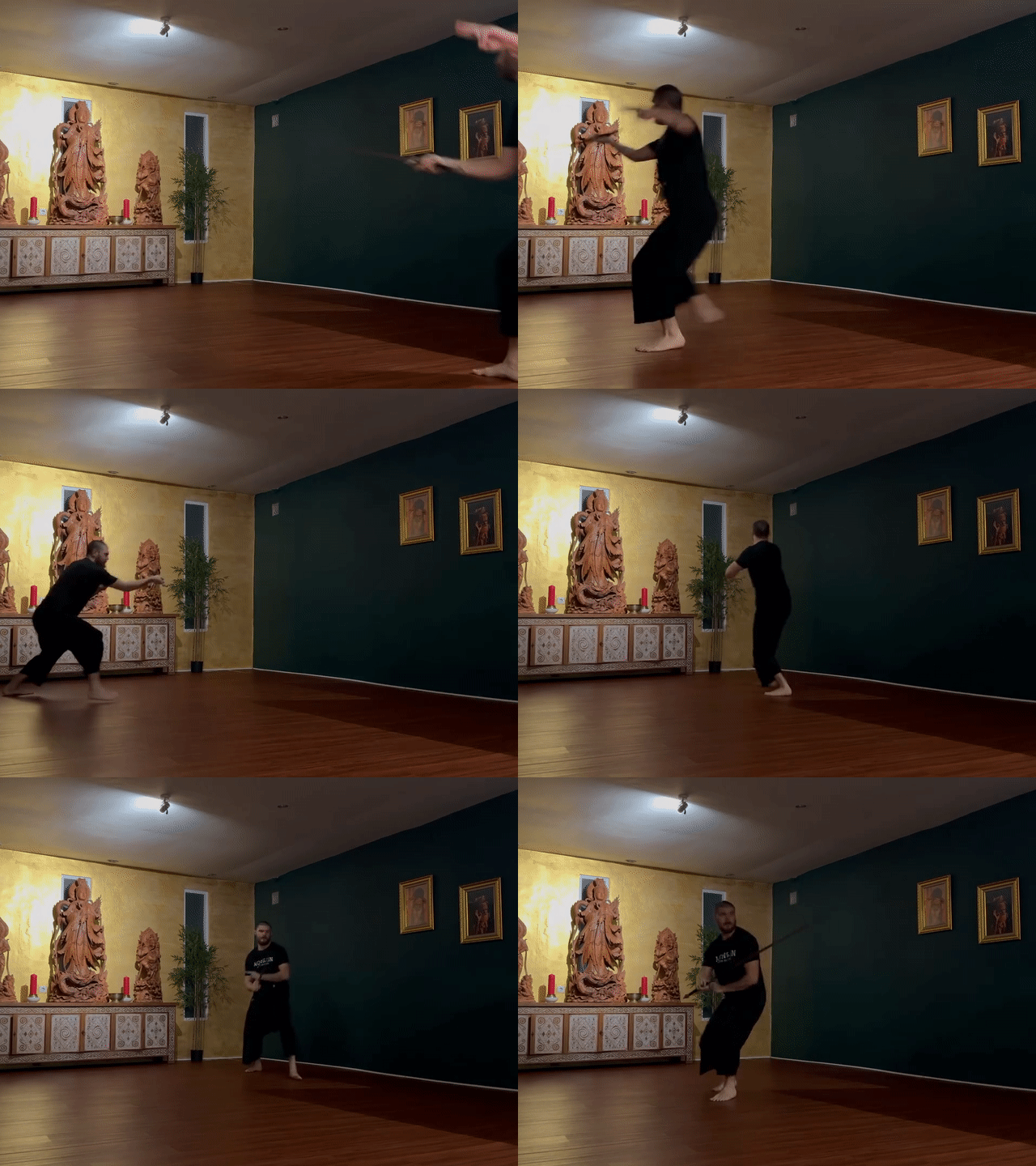
The Taiji Jian Classic
Wu Yuxiang
The sword is the extension of the hand.
Hand and sword move as one, without separation.
The root is in the feet,
Issued through the legs,
Directed by the waist,
Expressed in the tip of the sword.
When the sword moves, intention (yi) moves first.
Where the intention goes, the qi follows.
Where qi arrives, the sword arrives.
Light and agile,
Circular and unbroken.
When advancing, do not rush;
When retreating, do not lag.
If the opponent advances quickly,
Use softness to deflect.
If the opponent withdraws suddenly,
Follow and extend.
Always seek emptiness and fullness,
Hardness and softness in mutual change.
The sword is like a flying phoenix,
Swift, alive, and ever adaptable.